





The deal looks pretty clear on the box. Four tyres for a competitive price, fitted the same day, job done. Except that three years down the line two of those tyres are wheezing out before the others, fuel economy has plummeted and nobody makes the connection to the rubber. Perth’s road conditions are pretty unique, and its temperatures and highway distances are a bit different to most of the rest of Australia; and those factors quietly catch up with budget tyre decisions in ways that only become clear after you’ve forgotten all about the receipt.
The Sidewall Is Telling You More Than You’re Reading
Most Perth drivers just buy by size and price. But the sidewall of every tyre is hiding a load of information that can tell you exactly how well a tyre is going to perform in real life, and if you ignore it, it’s the most predictable way to end up with early wear and some nasty unexpected costs.
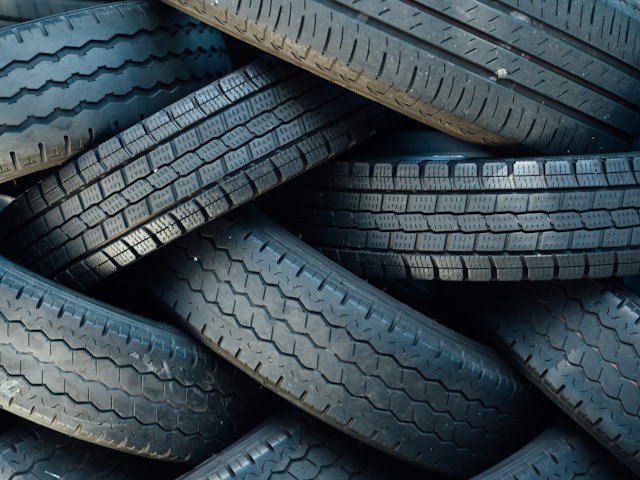
The load index, a number that tells you the max weight each tyre can handle, is a good place to start. Fitting a lower load index than you need means the tyre is going to be working way beyond its limits under a full load. The speed rating, a letter from N through to Y, tells you the max speed the tyre can handle without getting into trouble; and if you’re driving on the Great Eastern or Brand highways most days you’ll need at least an H rating. The treadwear indicator, a three-digit number you’ll see moulded into the sidewall, is a guide to how quickly the tread is going to wear out; higher numbers usually mean a longer tread life. Then there’s the wet grip rating, which has become a big deal since Perth’s winter rain means longer stopping distances on wet roads, especially in the inner suburbs where all the heavy traffic kicks up a lot of road spray.
If you actually take the time to read those four numbers before you start comparing tyre deals Perth, it entirely changes the buying decision.
Grade Matters More Than Brand on Perth Roads
Premium tyres from top manufacturers that are priced a bit above mid-range but not stupidly expensive often outperform both cheaper alternatives and top-of-the-range tyres that cost a fortune. And it’s the independently tested rolling resistance figures that really matter when you’re driving on the long straight highway, lower rolling resistance means better fuel economy over the distances people in WA drive every day. Budget tyres with low silica content in the tread compound look okay in dry conditions but they really struggle to stop in the wet, and that’s a serious concern when you’re driving on the Mitchell Freeway in a downpour. And then there’s the tread pattern design that makes a difference to how quiet the cabin is at highway speed, and on Perth’s long daily commutes that’s a factor you really need to think about.
What the Market Leaves Out of the “Deal”?
The buy-three-get-one-free special price equates to a 25% per tyre discount; it is only a saving if the tyre itself has the correct composition for the car and the conditions under which it will operate. The online prices rarely include the cost of fitting, balancing, valve and disposal; at $90 per tyre, $35 for fitting, $5 for disposal, and $15 each for balancing, you pay $145 for the tyre before the car moves an inch. Mixing tyre brands between axles results in inconsistent traction performance when emergency braking; virtually all vehicle manufacturers recommend matched pairs at least on an axle-by-axle basis. Second-hand tyres can be good value if chosen well, with regard to tread depth, the DOT age code on the tyre sidewall, and sidewall condition on both sides.
The Upsizing Risk That Gets Underexplained at the Counter
Perth 4WD and ute owners regularly increase the size of their wheels to look better and increase off-road capability; the risks are usually explained in a brief one-liner at the point of sale. A tyre that is wider than the spec for the car means more steering effort, higher fuel consumption and tyre scrub on sharp turns. Larger diameter tyres without speedometer re-calibration mean that the indicated speed is lower than the actual speed; not only does this lead to legal issues but to driving safety issues for the driver too. The load index needs to be maintained, preferably increased, on any tyre upsizing, especially for towing vehicles. Australian Design Rules dictate the legal limits to tyre upsizing, and exceeding these limits can have implications on registration in WA.
Making the Investment Last
Wheel alignment when the tyres are fitted guarantees that your investment lasts the maximum possible time; misalignment will halve the life of a new tyre. Rotating tyres every second service extends the life of even mid-tier tyres by 20 to 30%. Inflating the tyres with nitrogen decreases pressure fluctuations due to temperature changes, especially on hot 45-degree days in Perth.
The cheapest tyre on the shelf is almost never the cheapest over three years of Perth roads.










Comments are closed.