


One blown number plate globe is all it takes to fail your roadworthy test. Most Victorian drivers find out about this requirement on the day when they find themselves in a garage with a list of minor issues.
When Does Victoria Require A Roadworthy?
There are several circumstances when a roadworthy certificate will be required in Victoria. The most obvious one is the sale of a registered vehicle, which often sends locals searching for a roadworthy certificate St Albans, but you may also need one if you want to re-register your vehicle or clear some defect notices. There are some exceptions to this rule, so it might be a good idea to check in advance.
The timing is much more important than you might think. Your certificate will be valid for 30 days from the moment it was issued. During this time, it can be used for more than one registration or transfer.
It makes sense to wait with the booking until the buyer is almost ready.
What Does a Tester Check?
Only a licensed vehicle tester in Victoria can give out a roadworthy certificate. When they check a car, they’re looking at the parts that keep people safe on the road. These are the things that really matter, and they include:
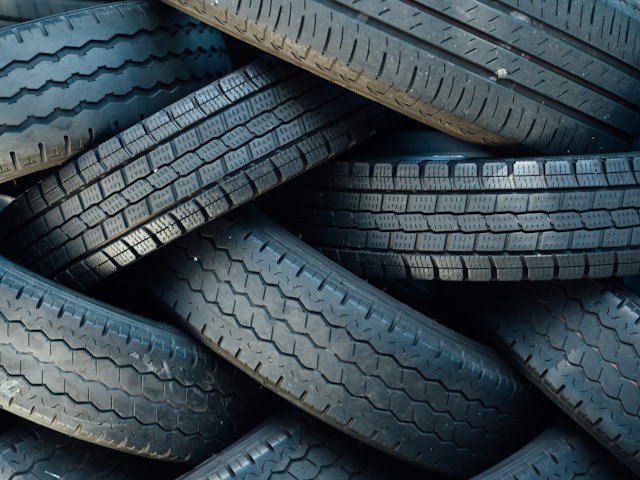
- Wheels and tyres, making sure they’ve got enough tread
- Steering, suspension and brakes, all working together properly
- Seats and seatbelts, keeping passengers safe
- Lights and reflectors, to be seen by other road users
- Windscreen and windows, clean, clear and no cracks
- The vehicle’s overall structure, checking for any damage
- Other safety bits like the body, chassis and engine, making sure they’re all in good nick
All of these things play a big role in how well a car stops, steers or protects the people inside.
What A Roadworthy Doesn’t Tell You?
A roadworthy certificate shows that the car was safe enough to drive on the day it got tested. But that doesn’t mean it’s going to be reliable or in good nick overall. Extras like air conditioning and electric windows aren’t even checked. And even if a brake light failed the next day, the certificate is still good to go.
If you’re buying a car, it’s a good idea to get a separate, independent check done, just to be on the safe side.
Problems That Often Cause A Fail
Most failures are down to wear and tear rather than anything seriously wrong. Tyres are a big one; you need at least 1.5mm of tread to be roadworthy in Victoria. And if the windscreen has any cracks or chips in the driver’s line of sight, that’s a problem too.
Other things to watch out for include:
- Broken headlight, brake or number plate lights
- Oil leaks, not just on the ground, but on the exhaust too
- Worn brake pads or dodgy brake hoses
- Seatbelts that are frayed or don’t lock in properly
- Any mods that don’t meet the vehicle standards, like heavy window tint
Each of these things on its own might seem minor, but together they can add up and affect the car’s safety.
Get Ready For The Inspection
A few minutes of checking at home before the inspection can save you a second trip. Just take a walk around the car while someone presses the brake and turns on all the lights. Take a good look at the tyres, especially the edges where wear can build up.
Inside the car, make sure every seatbelt pulls out smoothly, locks in properly and retracts without a hitch. The horn and front wipers should be working, and pay attention to any dashboard warning lights before you go in.
Prices vary depending on what you’re driving and how old it is, so it’s a good idea to ask the tester for a quote before you go in.

If The Car Fails Inspection
Don’t panic if the car fails; that’s not the end of the world. The tester will give you a list of the things that need fixing, and you’ve got 14 days to get them sorted before you can go back for another test. If you take any longer than that, you’ll have to pay for a new test altogether.
If you’re not happy with the result, you can always talk to the tester about it first, and if that doesn’t work, you can get another tester to do a second test. Preparation can’t guarantee a pass, but it does make the inspection process a lot smoother.