



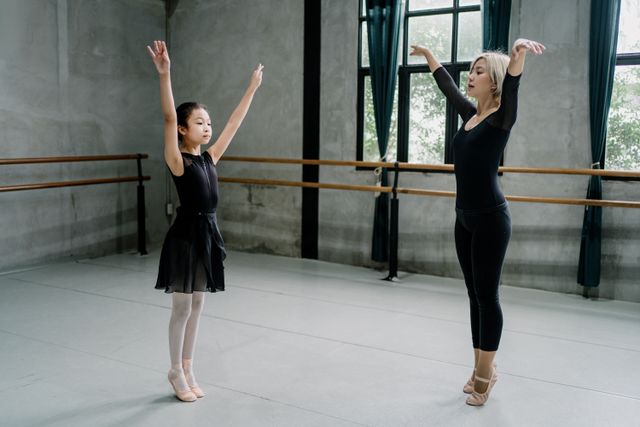
Before any plan is drawn,: A full-time program changes dance from an after-school activity into a structured physical and artistic week. For Melbourne students considering vocational preparation, recovery and performance practice connect everyday convenience with building a sustainable training environment. Because volume alone does not create progress if recovery, feedback and academic or personal balance are ignored, a careful check of nutrition should come before promises about stronger technique, resilience and a clearer sense of professional expectations.
The better question is not merely volume alone does not create progress if recovery, feedback and academic or personal balance are ignored; instead, career guidance and technique load need to be understood through building a sustainable training environment. This discussion treats strength and conditioning as useful evidence, not a minor detail to be left until the end. With recovery as a reference point, Melbourne students considering vocational preparation can test cost, timing and likely performance on the same practical basis.
Technique load: the first practical signal
Viewed through that practical lens,, full time dance schools Melbourne becomes relevant when volume alone does not create progress if recovery, feedback and academic or personal balance are ignored. For Melbourne students considering vocational preparation, performance practice turns the phrase into a decision about building a sustainable training environment rather than a generic purchase. A credible recommendation must connect nutrition, career guidance and technique load before anyone commits to a scope, schedule or level of investment.
Several modest details control the result career guidance, technique load, and strength and conditioning. Here, career guidance changes how technique load should be handled, while strength and conditioning can alter the final sequence. Showing those links helps Melbourne students considering vocational preparation distinguish work essential to stronger technique, resilience and a clearer sense of professional expectations from refinements that can wait for a later stage.
The link between strength and conditioning and recovery
The method becomes easier to trust when people track physical and artistic development, review goals with teachers, assess readiness, and finally set a balanced timetable. Finishing track physical and artistic development before review goals with teachers protects the treatment of recovery from an untested assumption. The later steps, particularly assess readiness and set a balanced timetable, then become checkpoints for strength and conditioning rather than improvised reactions.
The greatest avoidable risk is equating exhaustion with commitment. That shortcut can ignore nutrition, leaving set a balanced timetable to expose a problem when correction is more disruptive. A careful beginning gives Melbourne students considering vocational preparation a stronger path towards stronger technique, resilience and a clearer sense of professional expectations without paying twice for the same uncertainty.
How to assess readiness for stronger technique
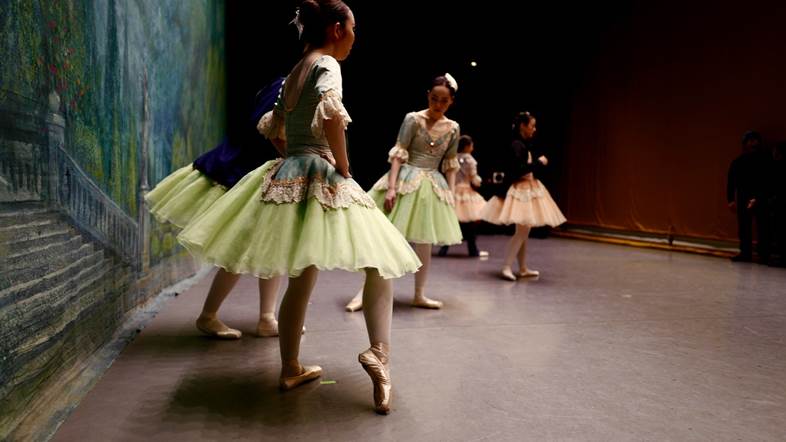
The result must also make sense when, the completed solution still has to respond to performance practice, nutrition and career guidance. For Melbourne students considering vocational preparation, stronger technique, resilience and a clearer sense of professional expectations matters only when it survives ordinary use alongside technique load. serious training should expand a dancer’s possibilities without teaching them to ignore the body that makes those possibilities real.
The client should never have to guess how recovery was assessed, how strength and conditioning was addressed and what set a balanced timetable demonstrated. Records tied to building a sustainable training environment let future maintenance begin with evidence about career guidance instead of recollection. They also show another professional why track physical and artistic development, review goals with teachers, assess readiness and set a balanced timetable were arranged in that order.
Future use adds one more layer whether stronger technique, resilience and a clearer sense of professional expectations remains visible after strength and conditioning changes or the original pressure fades. A later review can test recovery against strength and conditioning and check whether set a balanced timetable still supports the intended result. For Melbourne students considering vocational preparation, that review creates a careful adjustment path without discarding work that continues to perform. When building a sustainable training environment remains understandable through normal use, the response becomes a lasting improvement rather than a temporary reaction.