


Damp proofing is one of those services that sounds simple until the same wall fails twice. The first treatment patches the surface. The second asks a harder question: why is moisture still getting in? That question, raised early rather than after the second failure, is the starting point for every damp proofing job that actually holds.
The Distinction That Changes Everything
There is a clear distinction between waterproofing and damp proofing Sydney, yet these two processes are often confused and misused interchangeably. Waterproofing acts as a barrier to prevent outside water from entering via holes, membranes, and seals. On the other hand, damp proofing involves controlling the movement of moisture inside the structure of a masonry wall; quite a different process altogether. When you apply waterproofing materials to a wall with rising damp, what happens is that you prevent the moisture from appearing at the surface level but do not affect its movement inside. The main reason why damp treatment fails during the first year is the use of an incorrect treatment process.
Which Sydney Suburbs Carry Higher Baseline Risk?
Sydney’s inner suburbs, with their concentrations of old terrace housing, semi-detached homes and solid brick homes from the early to mid-20th century, have a noticeably higher risk of damp than newer houses. Particularly concerning is the tendency for neighbouring terraces to share a boundary with no outside exposure, which severely limits drying of the shared wall face. Original cavity walls in these old homes often had mortar drips poured into them during construction; this creates channels for moisture to cross over what was meant to be a ventilated separation. Then there’s the issue of roof design, with many of these homes having flat or low-pitched parapets where water pools and seeps through rather than running off neatly. None of these design features was considered faults back in the day.
What Happens Inside a Wall That Has Been Damp for Years?
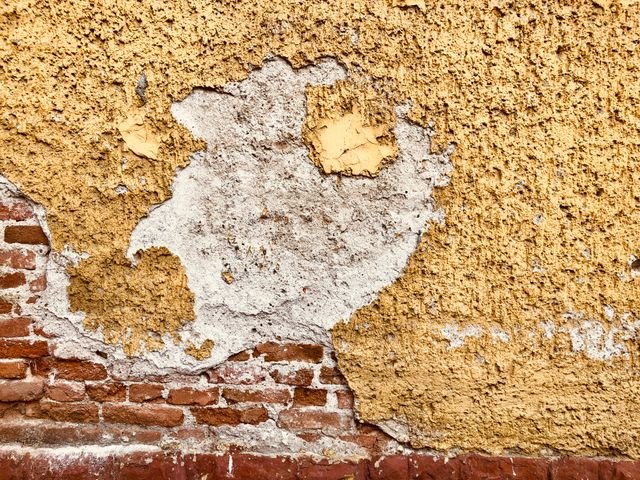
Things start to get visible on the surface: bubbly paint, crumbling plaster, stains at the skirting level and a lingering musty smell that just won’t go away and you can bet there’s nothing obvious causing it. The real stuff happens more slowly and deeper inside the wall. Salt crystals start to grow inside the brick and mortar, getting bigger and smaller as the wetting and drying cycle repeats. It’s like the wall itself is expanding and contracting.
Matching the Treatment to the Problem
There are four main treatments used in Sydney for damp, and which one to use depends on where the moisture is coming from, the type of wall and just how badly it’s penetrated. They are:
- Chemical DPC injection is best for solid masonry walls with a clear mortar course where there’s a clear sign of rising damp from below, so a new horizontal barrier can be created within the existing structure.
- Clearing out cavity walls is what you do when the cavity between the brick leaves has got clogged with mortar drips or debris, blocking the moisture break the cavity was meant to provide.
- Cement and render systems are secondary protective layers applied to the outside of masonry once the main moisture source has been sorted out. They are not meant to be a standalone fix for active rising damp.
- Breathable facade membrane paints provide a protective layer on rendered surfaces that lets water vapour pass outwards while keeping liquid water out; applying non-breathable paint instead traps the moisture in the wall and accelerates internal damage.

The Overhead Causes That Look Like Ground Damp
Failed parapets, gutter joints and lead work at chimney bases can all introduce moisture into the wall cavity from above. That moisture then works its way down through the cavity and shows up on internal surfaces at a height where it looks almost identical to rising damp, but only an inspection will reveal what’s really going on. So when inspecting a Sydney terrace or unit block it’s essential to take a good hard look at the roof plane, parapets and all the flashings before drawing any conclusions about where the moisture is coming from. A credible assessment report contains moisture readings taken right across the affected area, some good photos, a written diagnosis saying what type of moisture you’re dealing with and where it’s coming from and a proposed treatment and what you can expect to happen. Be wary of warranties that only cover the products themselves, not the workmanship. Those aren’t much good if the diagnosis is wrong.
According to NSW Health, moisture-related issues in residential buildings can contribute to respiratory and other health concerns, particularly in poorly ventilated homes.