


Melbourne’s construction sector has been busily building itself into one of the busiest in the country over the past two decades, and concrete cutting Melbourne has grown in tandem into a seriously advanced industry covering all sorts of jobs. This includes drilling cores out of people’s houses to tearing up massive amounts of old infrastructure.
The Scope of Melbourne’s Concrete Cutting Industry
The Concrete Sawing and Drilling Association of Australia (CSDAA) sets and enforces the sort of standards that separate the pros from the chaps who’ve just picked up a saw and think they can get by. Melbourne’s never-ending construction boom, which is churning out apartments, freeway upgrades and hospital builds by the dozen, has made concrete cutting one of the most in-demand specialist trades in Victoria.
Melbourne’s unique mix of historic buildings, dodgy 1970s concrete and fancy new post-tensioned construction makes for a really varied market. This is one that calls for everything from your average household renovations to massive civil works projects. The sort of equipment, crew sizes and compliance requirements you’d expect to see on any of these differ significantly from one another.
Road Sawing and Civil Infrastructure Work
Road sawing is needed to install utilities, fix bridge decks and create expansion joints in Melbourne’s vast network of roads. You’d be surprised how different the equipment and saw blades need to be when cutting through hotmix versus concrete. Get this wrong and you’ll damage the cut or trash the saw blade. Contractors working on government projects have to meet a whole bunch of extra safety standards, traffic management regulations and reporting requirements that aren’t a problem for the blokes doing private jobs.
Melbourne’s freeway upgrades and port rehab projects are the biggest individual concrete cutting jobs in Melbourne and Victoria. These projects attract all the big players with significant fleets and civil engineering know-how.
Core Drilling, The Most Popular Residential Service
Residential concrete core drilling is the most common way homeowners get to know the concrete cutting industry. Blokes who do plumbing, electrical and air conditioning work all need to get stuff through people’s floors or walls. They call on core drilling specialists to do that. The sorts of holes they need to make vary from 50mm electrical holes through to massive 300mm + penetrations for structural drainage. A good operator can do it all in one go.
On the other hand, a dodgy operator will just end up cracking the slab and causing a whole heap of extra work to fix the mess that’ll ultimately cost a lot more than the original drilling fee.
Wall Sawing for Melbourne’s Apartment and Commercial Renovation Market
Melbourne’s high-rise apartment market relies on wall sawing to get new doors, windows and access panels into people’s walls. This is a real technical challenge because you have to saw against gravity. The sort of dust and slurry that makes your eyes water is just everywhere. You also have to be careful about the noise and vibration because your neighbours have the right to get on your case if you disrupt their world too much. Any contractor who hasn’t done this sort of work in an occupied building will struggle to get it right, no matter how good their cutting skills.
The Dangers of Getting Concrete Cutting Wrong
If concrete cutting goes pear-shaped, you’re looking at a world of trouble. Embedded steel reinforcement can really give a diamond blade a hammering if you’re not careful. That can send sharp fragments flying all over the work site, which can be a real nightmare to clean up. We’ve seen some pretty scary stuff happen when people have tried to cut through post-tensioned cables in apartment slabs. It’s happened in Australia, and the results are pretty grim. A structural collapse is a very real risk, not just some theoretical problem that’s just mentioned in safety documents.
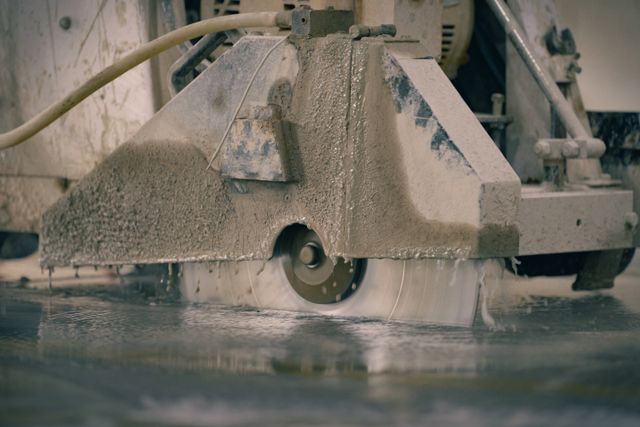
Water slurry from wet cutting operations can just seep right into the ceiling cavities in a multi-storey building if the safety measures aren’t up to scratch. A good contractor in Melbourne will know all about this sort of thing and will be fully insured, do a proper site safety assessment, and make sure they’ve got the GPR scanning results all documented before they even think about laying a blade to cut through the concrete.