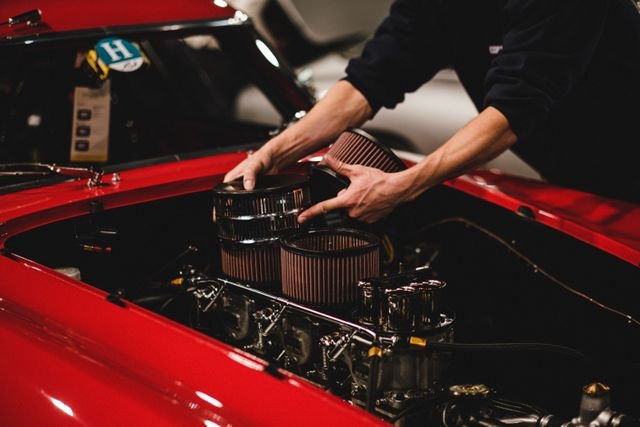



The market for electric vehicles (EVs) has grown rapidly in recent years in Australia, presenting major issues for the car repair sector. But according to Electric Vehicle Council data, around 114,000 EVs were sold in Australia in 2024 representing some 9.65% of all new vehicle sales. As the number of sales of electric vehicles (EVs) grows, workshops once focused on carburettor maintenance have had to switch to new technology. Whilst sales of EVs have increased, workshops that used to focus on cars with internal combustion engines (ICEs) have had to change their technology. The conversion has revealed a significant deficiency in the skills needed to take care of both traditional and electric vehicles.
The Collapse of Traditional Mechanical Assumptions
Mechanics in the car business were taught for many years to concentrate on car parts like engines, transmissions, mechanical testing and exhaust systems, and fuel injection parts. This model has been changed altogether by EVs. The battery-electric vehicle has far fewer moving parts than the traditional car and dispenses with many categories of car maintenance. Instead of spark plugs, timing belts, engine oil systems, ex-Hastings, etc., the majority of EVs do not have these. Consequently, many of the technicians who specialised in mechanical systems found that the techniques they had typically used were no longer applicable. The challenge was not only to learn new components, but also to understand the complete architecture of a new vehicle based on electronic, software and energy management systems.
Eight Hundred Volts Is Not a Wiring Issue
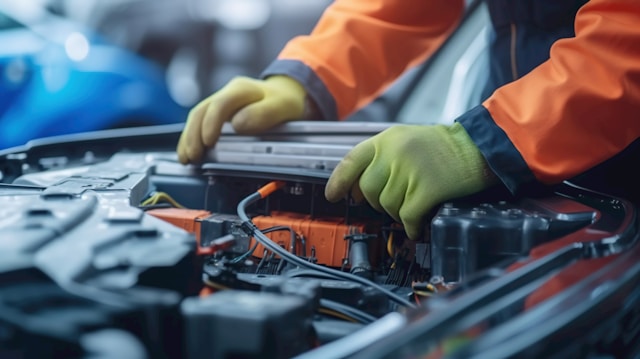
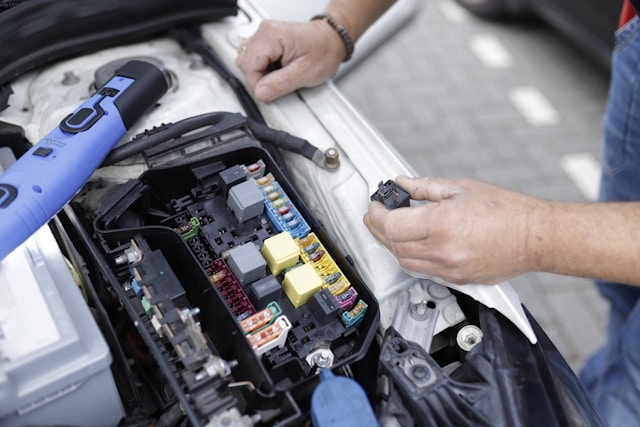
The immediate hazard was the lack of understanding of high-voltage systems; while most traditional vehicle electrical systems operate at 12 volts, EV battery systems typically operate in the range of 400 to 800 volts, which means that contact rather than a minor shock can cause serious injury or death. Insulated tools, safety barriers, personal protective equipment, and certified training programs were all required before a workshop could open an EV battery system, and many experienced technicians were not qualified to isolate and test high-voltage components. Auto electrician Canberra and other cities were accordingly required to take on a new role.
Those changes had immediate commercial implications: workshops without high-voltage certification could not legally perform a growing category of repairs. The investment to get there, in training, in equipment, in certification, was not insignificant, and it occurred at a moment when many workshops were still deriving most of their income from ICE vehicles that EVs were starting to replace. The window between the need for the capability and the ability to pay to build it was short, and not all workshops made it through.
Battery Diagnostics Are Not Engine Diagnostics with Different Terminology
EV battery systems introduced a diagnostic category for which conventional training had no framework; evaluating battery cell health, thermal management performance, state-of-charge calculations, and degradation patterns requires different tools, different software, and a different conceptual model of failure than anything used to diagnose a petrol engine. The financial stakes were high, and the cost of getting it wrong was much greater; some EVs can cost several thousand dollars to replace, and some can cost more than AUD 15,000, depending on model and battery size. In that context, a misdiagnosis is not an inconvenience; it is a loss for the customer.
The Economics Changed in Ways Most Workshops Did Not Anticipate
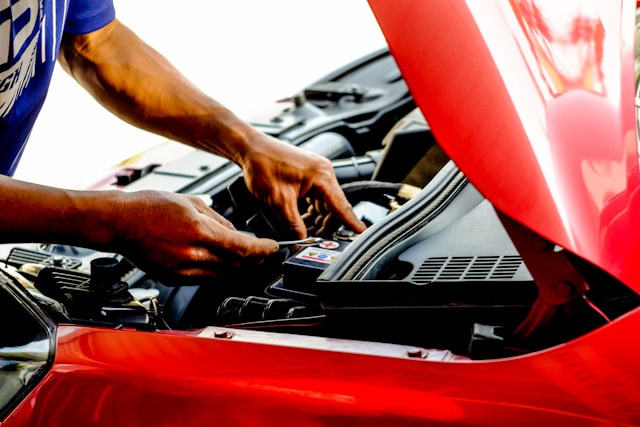
Automotive repair relied on routine maintenance, which provided steady income from oil changes, exhaust repairs, engine servicing, and the expected mechanical wear of ICE vehicles, while EVs require far less routine maintenance and cut those revenue streams at the same time workshops were being asked to invest in new equipment, training, and diagnostic software subscriptions to service them. The initial cost to enter the EV repair market, including insulated tools, battery lifting equipment, high-voltage testing devices, and technician certifications could run into tens of thousands of AUD before a workshop even completes its first EV repair job.
This was exacerbated by the fact that the technician training infrastructure in Australia was not geared for ICE vehicle maintenance and needed substantial modification to include battery technologies, charging systems and high-voltage safety procedures, and that modification lagged far behind market growth, which resulted in longer repair times, higher labour costs, and more reliance on manufacturer-authorized service centres that most independent workshops lacked the training and equipment for. For workshops that adapted early, investing in certification, rebuilding around diagnostic and electrical expertise, and treating EV servicing as a specialist offering rather than an extension of what they already did, the transition created a competitive advantage.