


More and more residences, sporting institutions, and businesses in Australia are using fake grass. They look like real grass, but you don’t have to water, mow, or fertilise them all the time. But for an artificial lawn to be smooth and last, the ground underneath it needs to be prepared properly. The foundation layer is one of the most critical parts of getting ready for this. Sand is very important for making a stable base that holds up the artificial turf and makes sure it lasts a long time.
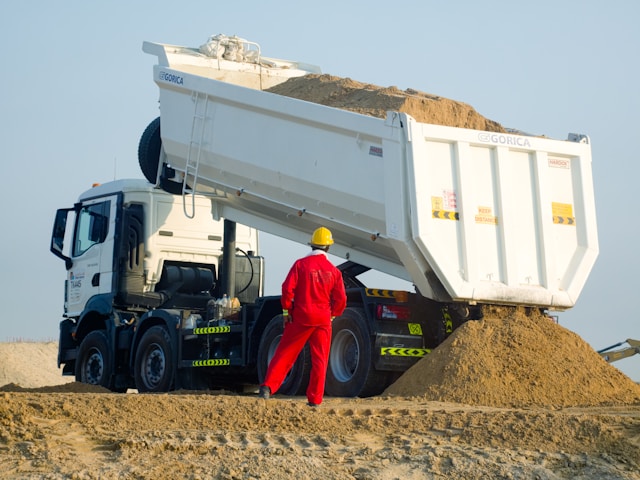
Why Sand Is Necessary for Putting Down Artificial Turf?
A lot of landscaping experts say that sand for artificial lawn is the best material to use for installing artificial grass since it makes a flat, well-draining substrate. The sand layer helps hold up the fake grass while letting water drain through the surface easily. A well-prepared sand base keeps the lawn from sinking or becoming uneven over time. Artificial turf can move or wrinkle if it doesn’t have a secure base, which can make it look and work worse. Good drainage is very important in Australia, since some areas might get a lot of rain. Sand lets rainfall flow through the base layer and into the ground below. This stops water from collecting on the surface. Another good thing about sand is that it can be compacted tightly while letting water through. Because of these two things, it is the best material for making a strong base for artificial turf.
How to Get the Ground Ready for an Artificial Lawn?
To install it correctly, you need to clean the ground first. To make room for the new lawn, grass, weeds, and trash are all taken away. Then, the ground is dug out to the right depth for the project. This stage makes room for the basic materials that will hold up the fake grass. To give the structure strength, a layer of crushed rock or road base is often put down first. After this layer is compacted, sand is spread out uniformly over the top. The sand layer is meticulously levelled and packed down to make a smooth base. To make sure the surface is level and hard, professional installers often utilise specific tools. After the base is ready, the fake grass is rolled out and held in place. In some cases, more filler materials may be put on top of the turf to assist keep the fibres in place and make them last longer.
Advantages of a Good Sand Base
Using the right base materials makes a big difference in how well an artificial grass works. A sand base that is well-prepared keeps the turf flat and stable over time. One of the best things about it is that it drains well. Rainwater can pass swiftly through the turf if it is properly drained. This lowers the possibility of puddles or water damage. The sand base also makes it more comfortable to walk on. A smooth, compacted surface seems natural and helps hold up the structure of the artificial grass. It’s easier to take care of the lawn when it’s on a stable base. If you install it correctly, it will be less likely to shift, wrinkle, or have uneven parts that need repairs. A good basis makes sure that sports fields and other locations for fun have safe and even playing grounds.
Getting Artificial Lawns That Last
For homes and companies looking for landscaping options that don’t need much upkeep, artificial turf has a lot of benefits. But the success of any installation depends a lot on how well the foundation is done. Installers can make a surface that lasts for many years and looks good by making a solid, level base out of high-quality materials like sand. Artificial lawns are a practical and attractive alternative to natural grass when they are built appropriately. They let property owners enjoy green outdoor spaces without having to take care of them like they do with regular lawns.