



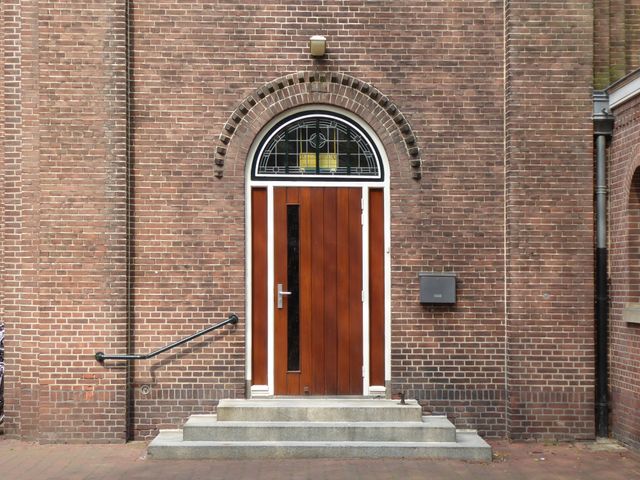
Despite attempts by composite materials to penetrate the housing industry promising reduced maintenance and enhanced performance, the use of wooden doors was never abandoned in the residential building industry. The fact is that homeowners have been consistently opting for wooden doors over the last few centuries because wood provides something that is hard to compete with. The interest of Australian homeowners in timber materials has remained steady for years now. This preference can be attributed to the durability and thermal stability of wood as well as its aesthetically pleasing features and environmental benefits. Environmental friendliness of wooden products has led to the increasing use of this type of material in sustainable residential building projects. When considering residential building markets associated with items like timber doors Melbourne, homeowners continue to prefer timber due to the material’s functionality alongside its architectural value.
Better Insulation, Lower Energy Pressure
The cost of electricity has gone up all over Australia, and the laws concerning energy performance have grown stricter. This situation has placed thermal efficiency at the heart of modern housing. Wood is quite different from metals when it comes to construction. Wood’s cellular nature means that it resists heat flow. Heat cannot move as easily through wood as it can through steel and aluminium. The difference is illustrated in research by the National Timber Development Council. Wood provides 15 times better insulation than concrete and nearly 400 times better than steel. This information can be applied to our daily lives, especially in relation to heating and cooling costs. The Nationwide House Energy Rating Scheme has indicated many times that building envelope efficiency is one of the top factors affecting heating and cooling costs in homes. In Australian summers, temperatures frequently exceed 35°C.
Built to Last Through Long Use
It is common practice to assume that timber doors decay more quickly than the artificial ones. However, statistics prove otherwise. Data on performance gathered from both the Australian Window Association and the timber industry proves that high-quality hardwood timber doors last for more than four decades as long as proper maintenance is observed. Timber types like Tasmanian Oak, Blackbutt, and Jarrah are known to have compact structure and resistance to withstand the elements every year. In Australia, materials go through continuous cycles of expanding and contracting due to the climate. In most cases, hardwood timber doors withstand these forces better than some cheap composite doors that cannot cope with changes anymore. Salt exposure in areas near the coasts creates another problem for door owners. Metal doors may easily corrode because of rapid oxidation as soon as there is constant exposure to salty air.
Street Presence Still Matters
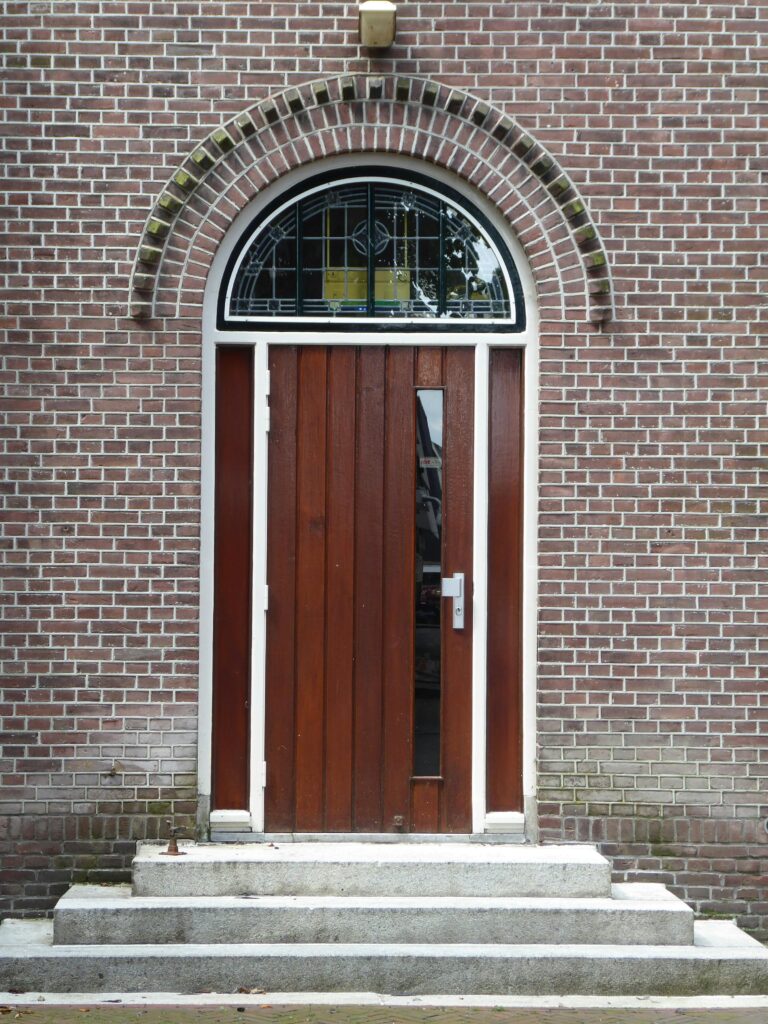
Buyers will pay attention to the exterior first of all. Evidence of property appraisal shows how essential exterior presentation is for resale value. According to research carried out by CoreLogic Australia, houses with high-quality exterior improvements will have higher resale value by 5%-12% than similar properties finished with standard improvements. An entrance door will be located in the very centre of the impression. It serves as an integral part of façade appearance and can determine general impressions about the house as well. There are always attempts to copy wood products using industrial materials. However, there is something unique about timber that cannot be duplicated. Natural variability, depth of texture, and colour will make timber entry doors unique in appearance. Such quality makes wooden doors versatile and suitable for use in both old Australian and contemporary buildings. This quality also explains why there is always an appeal to timber among buyers. This material is easy to cut, stained, glazed, etc.
Why Sustainability Keeps Pushing Timber Forward?
Environmental performance now influences decisions on residential buildings more than they ever have in the past decade. According to the data provided by the Green Building Council of Australia, nearly 70% of Australian home owners currently view the importance of the sustainability of their construction or renovation projects. Timber doors would be in keeping with these considerations inasmuch as timber is a renewable material if its harvesting follows sustainable practices. Environmental life-cycle assessment studies conducted by Forest & Wood Products Australia have shown the production of timber emits significantly fewer greenhouse gases than the manufacture of steel and aluminium. One ton of steel, for example, will emit almost 1.9 tons of carbon dioxide. Sustainable timber, however, operates through sequestration of carbon absorbed by growing trees.
Less Noise, Better Living Conditions
Urban areas in Australia have been becoming increasingly dense and noisy. The problem of reducing noise becomes ever more prominent due to increasing density of residential buildings. While noise pollution might not be a problem on its own, it affects other processes such as sleep, focus, and overall health if houses do not adequately block outside noise. The porous nature of timber allows it to absorb sound better than other materials, which are hollow and light and thus provide little resistance to sound passing through. It is known from the findings of experts in the field of building acoustics that solid timber doors may reduce sound by 25 to 30 decibels. Houses located near schools, roads, and commercial centres are especially benefited from this material.