



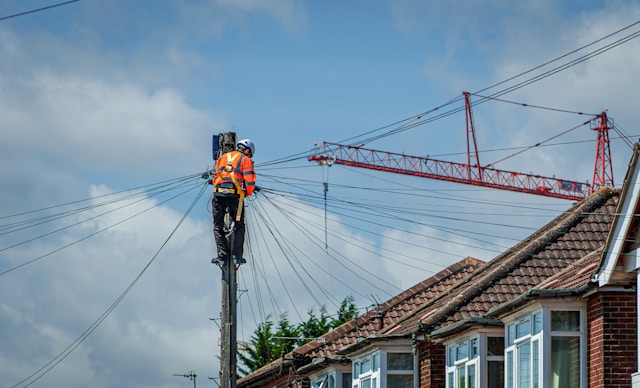
Many Australian industries, such as building, maintenance, mining, and telecommunications, frequently demand workers to operate at heights. Workers must frequently operate above ground for tasks including equipment installation, scaffolding work, and roof maintenance. These tasks are crucial for many projects, but if the right safety measures are not taken, they potentially pose serious risks. Many companies mandate that their employees take specialised safety training in order to reduce accidents and guarantee adherence to workplace safety standards. This training gives employees the information and practical skills they need to carry out operations at heights safely.
The Significance of Height Safety Training
To learn the proper techniques for operating securely in elevated locations, many workers sign up for working heights training Perth. One of the main causes of occupational injuries in Australia is falls from heights, so both employers and employees must receive the appropriate training. The identification of risks related to working at heights is usually the main emphasis of training programs. Participants gain the ability to identify possible hazards such as shaky surfaces, exposed edges, and dangerous machinery. Understanding safety equipment is a crucial component of the training. The proper use of harnesses, anchor points, lanyards and fall arrest equipment is taught to employees. To avoid mishaps, it is essential to understand how to secure and inspect this equipment. Training courses highlight the value of planning in addition to equipment usage. Before starting work at heights, workers are trained to evaluate project locations and put the proper safety precautions in place.
What Attendees Acquire Throughout Training?
Training programs for height safety typically incorporate both academic knowledge and hands-on activities. Important safety laws, rules, and industry standards are introduced in class. Australian occupational safety standards and how they relate to various industries are frequently taught to participants. Workers can maintain safe work practices and comply with legal duties by being aware of these standards. Participants are able to apply what they have learnt in real-world situations through practical training sessions. Trainees practise using safety harnesses, attaching to anchor points, and navigating elevated constructions safely while being supervised. Another crucial component of the training is rescue techniques. Employees are taught how to react appropriately in the event of a fall or when a coworker needs help while wearing a harness. Participants build confidence in using safety equipment and handling any situations by completing practical activities.
Businesses That Need Training in Height Safety
Workers who conduct duties at heights are essential to several sectors in Australia. One of the most prevalent industries where this training is necessary is the construction business. Strict safety regulations must be followed by workers who construct buildings, install roofs, or use scaffolding. Workers in the mining and resource industries must also operate heavy machinery or on raised platforms. Training in height safety helps guarantee that these duties are carried out without needless risk. When installing or servicing communication equipment, telecommunications professionals commonly work on towers or other elevated structures. They can carry out these duties safely if they receive the right training. When maintaining roof structures, ventilation units, or lighting systems, maintenance and facility management professionals may also have to work at heights.
Establishing Safer Workplaces
In order to minimise workplace accidents and safeguard personnel, safety training is essential. Workers can greatly lower the risks connected with elevated work by learning how to recognise hazards, utilise safety equipment correctly, and adhere to protocols. Investing in training initiatives benefits employers as well. A skilled personnel guarantees adherence to working rules and contributes to raising overall safety standards. There will always be some risk when working at heights, but accidents can be significantly decreased with the right planning and training. Employees may confidently carry out their responsibilities while upholding a safe workplace if they have the proper training and tools.