



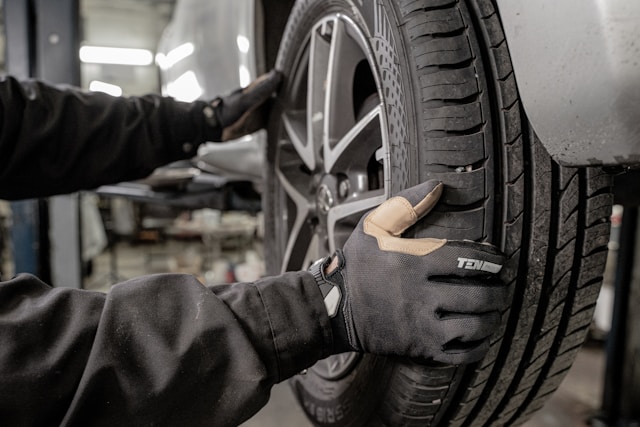
You usually don’t think about tyre replacement St Albans until things start to go wrong. Maybe the steering starts to pull a little to one side as you’re driving and you wonder “what’s going on”. Or your car starts vibrating on the freeways and you’re not quite sure why. Or you catch a glimpse of the tread in your rear-view mirror and think to yourself “oh no, I’ve still got a few months left in these”. That’s exactly how most tyre problems catch people out. Sneakily. Gradually. Then all of a sudden.
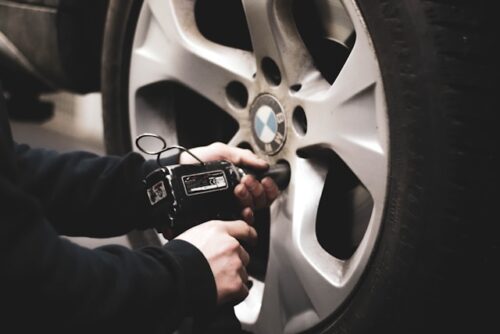
The conversation you have with yourself
It usually starts with one nagging thought. “Is it going to cost me a bomb?” That’s a fair question. Replacing a single tyre can set you back anywhere from $80 to a whacking $800 or more, depending on the tyre size, the make and model of your car, and the brand you choose to go with. And let’s face it, the price point for a small hatchback is going to be a whole lot different to that of a high-performance SUV or luxury car. But the thing is, most people think the tyre itself is the expensive part. It’s not always the case. The real kicker usually comes later on when worn tyres start causing problems with the wheel alignment, suspension, braking performance or fuel efficiency.
The not-so-obvious thing about tyres
Most people think tyres just fail out of the blue or become unusable all at once. But the reality is that tyres just wear down gradually, and our brains just get used to the changes as they happen. The steering feels a bit heavier, the car handles a bit differently on wet roads, and your braking distances increase a bit more slowly. By the time you do notice, it’s too late. Until that one fateful day on a rainy afternoon when everything comes crashing down. That’s why tyre lifespan is so important to get right. A typical tyre is good for around six years in service or 10 years from the date it was made, whichever comes first. But that’s not a hard and fast rule. Your driving habits, the state of the roads you drive on, whether or not you maintain your tyres properly and even whether or not they get exposed to too much heat, all of these can cut that lifespan down dramatically. A driver who’s commuting daily through rough suburban roads will wear their tyres out much faster than someone who’s only driving occasionally on nice smooth highways. Same tyre. But they’ll have a completely different lifespan. And then there’s the thing that most people get wrong. They get so focused on the tread depth that they forget about how badly the tyre is ageing from the inside out.
The 3 percent rule most drivers haven’t ever heard about
You’d be surprised how many people are taken aback by this one There is this rule of thumb known as the 3 percent tyre rule, essentially, the new tyre needs to be no more than 3 percent different in size from the original. Sounds like a technical nightmare. But the reason behind it isn’t all that complicated. Modern vehicles rely on all sorts of sensors and calibrated systems, and even tiny differences in tyre size can have a knock-on effect on your speedo, your brakes, and all the safety systems. Most drivers just assume all tyres will work as long as they “fit”, and that’s not quite the case. One wrong tyre choice can creep up on you and subtly affect how your car handles, without you ever really understanding what’s going on. And that difference can be more important than most people think.
The problem isn’t always the tyre
Now, things get a bit more complicated. Sometimes, a tyre wears out early because the car itself is causing the problem, not the tyre. Misaligned wheels, for example, can force the tyre to wear down unevenly, one edge gets worn more than the other, and before you know it, the tyre is knackered. The frustrating thing is, drivers often just replace the tyre without fixing the underlying issue, then a few months later, the new tyre starts wearing down in the same way. It’s a never-ending cycle. That’s why services like mobile tyre fitting in St Albans, wheel alignment checks, suspension inspections, puncture repairs, and brake evaluations are becoming increasingly important for keeping your car in good nick. Because in a lot of cases, the tyre is just highlighting a problem that’s been brewing underneath the vehicle all along. And honestly, that completely flips your thinking on its head when it comes to tyre wear.
Why drivers delay tyre replacement even when they know better?
This part is all too human. Most people delay tyre replacement for the same old reasons they put off loads of other maintenance jobs, the car still feels “good enough”, there’s no immediate emergency, and life just gets too busy. But tyres don’t wait around for a convenient time to fail. The real danger is when you’re in a situation where you need all the grip you can get, driving in the rain, slamming on the brakes, taking a sharp corner, hitting an unexpected obstacle. And it’s then that worn tyres suddenly become a major issue. And by that point, the decision to replace your tyres has already been made weeks earlier, without you even realising it.
The part we’d all rather not admit
Most tyre problems start way before people start paying attention to them. Not because people are careless, just because tyre wear is all but invisible until the car starts behaving weirdly. By that point, the tyre’s been trying to tell you something for a while. Which makes searching for cheap tyres in St Albans less about getting the cheapest price and more about understanding the value, safety and timing of it all before small issues become major headaches.