

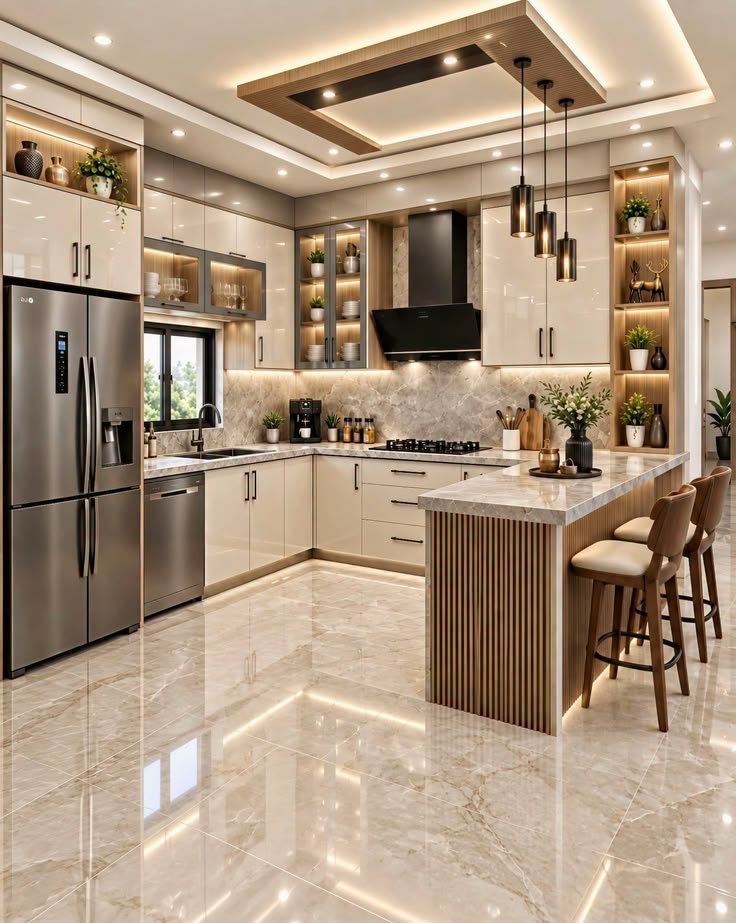
A functional kitchen is one of the most important features of a comfortable home because it needs to support a wide range of everyday activities. Cooking, preparing ingredients, washing dishes, storing groceries, serving meals, and spending time with family can all take place in the kitchen. For this reason, kitchen design should focus on much more than appearance. A kitchen can look beautiful, but if the layout is inconvenient, storage is limited, or appliances are difficult to access, using the space can quickly become frustrating. A well-designed kitchen combines practicality, comfort, organization, and visual appeal so that the room works naturally with your daily routine.
Every household has different kitchen requirements, which means there is no single design that works perfectly for everyone. A person who enjoys preparing elaborate meals may need extensive countertop space, large storage areas, and professional-style appliances. Someone with a busy lifestyle may prefer a simple layout with convenient appliances and easy-to-access storage. Families may need more space for groceries, dishes, and everyday cooking equipment, while people who frequently entertain guests may want an open and welcoming kitchen with additional seating. Understanding how you use your kitchen is therefore the first step toward creating a space that truly suits your lifestyle.
Plan a Kitchen Layout Around Your Daily Routine
A functional kitchen begins with a well-planned layout because the arrangement of the space affects almost every activity that takes place there. Before choosing cabinets, appliances, colors, or decorative finishes, think about how you move through your kitchen during a typical day. Consider where you bring groceries into the room, where you store them, where you wash ingredients, where you prepare food, and where you cook. When these areas are arranged logically, you can move from one task to another without unnecessary walking or interruptions. Leisure Coast Kitchens can help homeowners create practical kitchen spaces that suit their needs.
The refrigerator, sink, and cooking area are among the most frequently used parts of a kitchen, so their relationship to one another should be considered carefully. When ingredients are removed from the refrigerator, they often need to be washed and prepared before being cooked. Keeping these areas reasonably close together can make meal preparation more efficient. Adequate countertop space between or near these areas also gives you a convenient place to prepare ingredients, organize cookware, and temporarily place food.
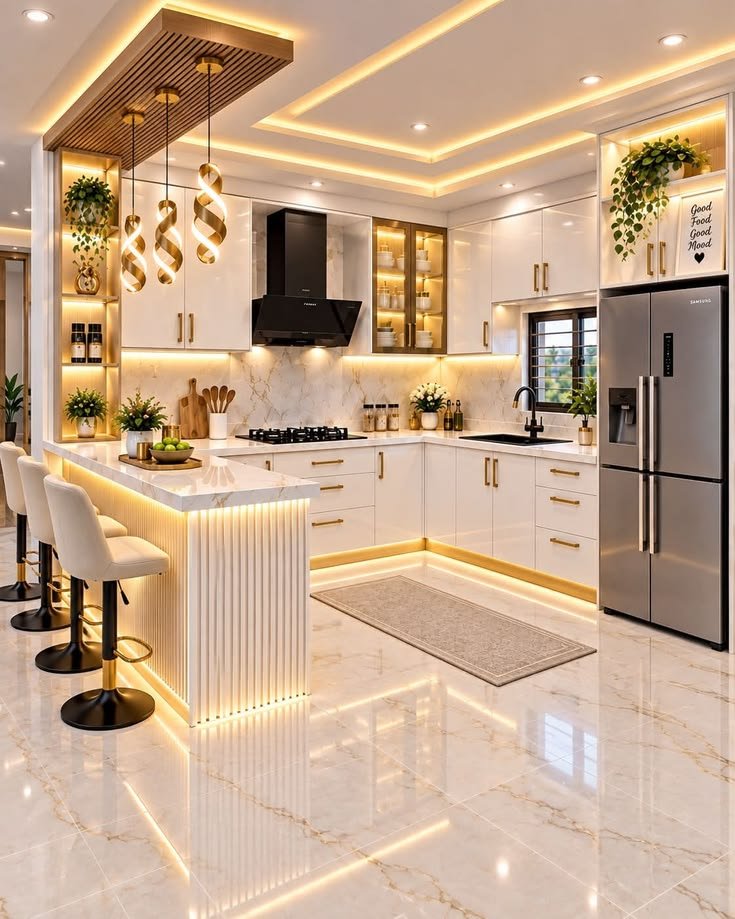
Maximize Kitchen Storage Space
Good storage is essential for creating an organized and comfortable kitchen. Without enough storage, countertops can quickly become crowded with appliances, containers, utensils, ingredients, and other household items. Even a large kitchen can feel small and cluttered if cabinets are poorly planned. Effective storage should provide enough room for everything you need while keeping frequently used items easy to reach.
The first step in planning kitchen storage is understanding what you actually need to store. Consider the cookware, dishes, glasses, utensils, food products, appliances, cleaning supplies, and serving items you use regularly. Different households will have different storage requirements. Someone who enjoys baking may need additional space for baking trays, mixing bowls, ingredients, and specialized equipment. A family that cooks large meals may require larger drawers and cabinets for pots, pans, and serving dishes.
Deep drawers can be particularly useful for storing cookware because they make it easier to see and access larger items. Instead of stacking several pots inside a deep cabinet where the items at the back are difficult to reach, drawers can allow you to pull everything forward and view the contents more easily. Smaller drawers can be used for cutlery, cooking tools, measuring equipment, and other small items that can easily become disorganized.
Choose Appliances That Match Your Lifestyle
Kitchen appliances should be chosen based on your cooking habits, household size, available space, and budget. Not every modern feature is necessary, so focus on appliances that provide practical value.
The refrigerator should have enough storage for your household and be placed conveniently without interrupting the cooking area. Cooking appliances should also match your needs—for example, a larger oven or cooktop for frequent cooking and baking.
Convenience appliances such as dishwashers, microwaves, coffee machines, blenders, and air fryers can make daily tasks easier. However, choose only appliances you are likely to use regularly to save space and avoid unnecessary expenses.
Focus on Lighting and Durable Materials
Lighting is an important part of kitchen design because it improves both functionality and atmosphere. Good lighting makes tasks such as cooking, chopping, cleaning, and measuring easier while also making the kitchen feel more comfortable.
Natural light from windows and glass doors can brighten the kitchen during the day and enhance its colors and finishes. However, artificial lighting is also necessary for evenings and darker periods.
Task lighting should be installed above countertops, sinks, and cooking areas to reduce shadows and improve visibility. Ambient lighting, such as ceiling or recessed lights, provides overall illumination and helps eliminate dark areas. Combining both creates a practical and welcoming kitchen.