



A pallet wrapper machine can help you get more done.
Packaging efficiency is very important in today’s fast-paced logistics and manufacturing industries. A pallet wrapper machine is a key part of modernising warehouse operations. It gives firms a faster, safer, and more reliable way to get palletised items ready for delivery. Buying the appropriate pallet wrapping machine may save you a lot of money on packaging, cut down on the amount of work you have to do, and make your loads more stable, whether you run a small warehouse or a major distribution centre.
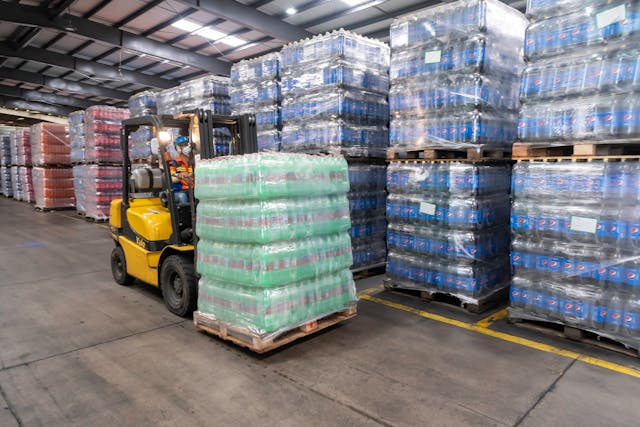
Pallet wrapper machines are made to automate the stretch wrapping operation. They put stretch film evenly around a filled pallet. This helps keep things snugly packed so they don’t move or fall over while being transported, which is a regular problem that causes damage and expensive returns. When there are a lot of packages or they are all different sizes, wrapping them by hand just can’t be as fast or consistent as a machine.
Pallet wrapper machines are now a must-have for businesses that want to grow while keeping quality and safety high. They come in both semi-automated and fully automatic types.
Benefits of Using a Machine to Wrap Pallets
One of the best things about a pallet wrapper machine is that it is always the same. By setting the wrapping settings ahead of time, each pallet is wrapped with the same amount of tension, overlap, and coverage. This gets rid of the inconsistencies that come with doing it by hand. This makes sure that the load stays in place and looks professional every time.
Another big benefit is that it works better. A machine can wrap something in less than a minute that would take a lot of time and effort to do by hand. This means that packages will be sent out faster and that workers will be more productive on the warehouse floor.
Saving money is also a factor. Modern pallet wrapper machines can stretch the film up to 300% before putting it on a pallet. This cuts down on the amount of film used per pallet by a huge amount. Over time, this means that the cost of materials goes down and less waste goes into the environment.
Also, automating this process makes it less likely that people may get hurt at work. Wrapping by hand can put a lot of pressure on workers because they have to bend and twist a lot, especially in places where there are a lot of packages. A pallet wrapper machine makes the flow of work safer and more comfortable.
How to Pick the Best Pallet Wrapper Machine for Your Business
There are a few things to think about when choosing the best pallet wrapper machine, such as the size and weight of your goods, how many pallets you move each day, and how much floor space you have.
A semi-automatic turntable wrapper is a good choice for businesses with modest output or tight expenditures. The operators put the pallet on the turntable, start the cycle, and the machine wraps the cargo quickly and easily. These types are easy to operate and work well in operations that wrap less than 30 pallets a day.
Fully automatic machines that need little human help may be helpful for businesses that do a lot of work. These systems work with conveyor lines and can automatically recognise, wrap, and unload pallets. They’re great for big distribution centres.
Rotary arm and orbital variants are preferable for wrapping unstable or very heavy pallets because they hold the load still as the machine moves around it. These devices keep the same level of security without putting sensitive items at risk of being damaged.
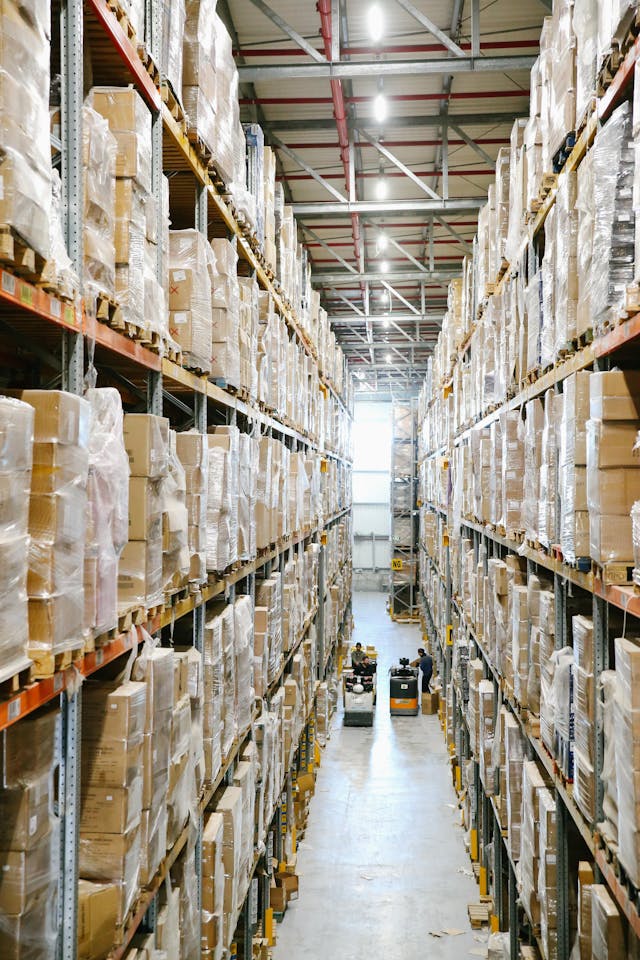
A strong return on investment, protection, and efficiency
A pallet wrapper machine is more than simply a way to package things. It’s a long-term investment in the safety, speed, and dependability of your supply chain. The equipment soon pays for itself in more productivity and less waste by making wrapping more consistent and lowering personnel and film expenses.
Upgrading to a pallet wrapper machine makes sure that your goods are safely ready for shipping, which cuts down on damage and makes customers happier, whether you’re a new e-commerce firm or an established manufacturer.