



Your roof is more than just a protective barrier over your head; it’s the unsung hero of your home. Yet, many homeowners overlook its importance until it’s too late. Regular inspections can save you from costly repairs and extend the life of your roof. Whether you’ve noticed some drips during a rainstorm or simply want to ensure everything is in good shape, knowing how to evaluate your existing roof is essential.
In this guide, we’ll explore why regular roof check-ups matter and help you identify signs of potential damage. We’ll discuss whether you should call in the pros or tackle an inspection yourself. Plus, we’ll walk through simple steps for a DIY assessment and highlight common issues that might be lurking up top.
Ready to take charge of your roofing health? Let’s dive into what makes a sturdy shelter overhead!
Importance of Regular Roof Inspections
Regular roof inspections are crucial for maintaining the integrity of your home. Over time, wear and tear can lead to hidden issues that may escalate if left unchecked,so read this before you restore your tile roof. A small leak today could turn into significant water damage tomorrow.
Frequent evaluations help catch potential problems early. This proactive approach saves you money in the long run by avoiding costly repairs or even a full roof replacement.
Additionally, regular inspections can extend the lifespan of your roofing materials. Just like any other part of your property, roofs require care and attention to perform optimally.
Seasonal changes can take a toll on your roof’s health too. Wind, rain, snow, and sun all contribute to its deterioration over time. By scheduling routine check-ups, you ensure that these elements don’t compromise your shelter from the storm.
Signs of Potential Roof Damage
Your roof is your home’s first line of defense against the elements. So, it’s crucial to know when something might be amiss.
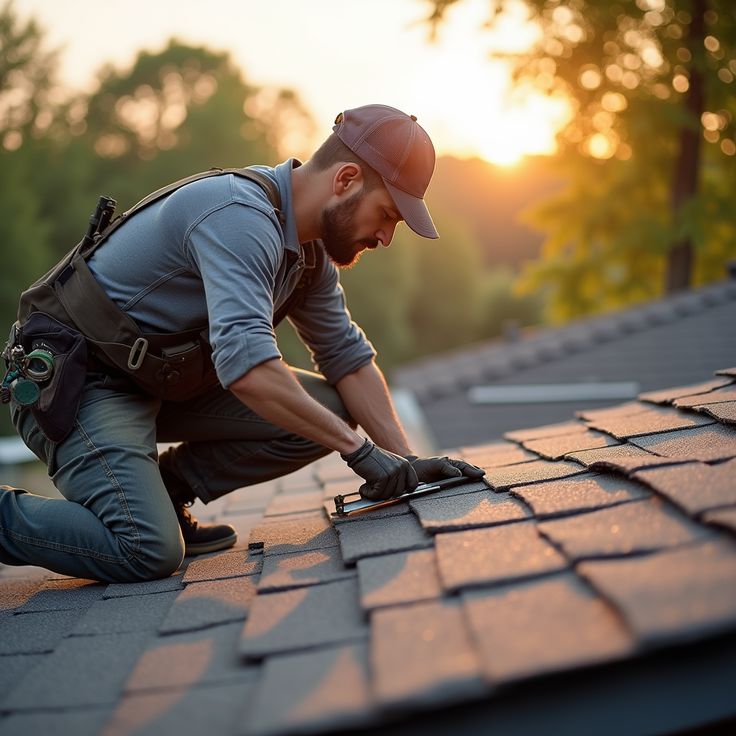
Look for curling or missing shingles. These can signal that your roof isn’t protecting your home as it should.
Check for any discoloration or stains on ceilings and walls inside. Water damage can often trace back to a compromised roof.
Pay attention to granules in gutters. If you see an unusual amount, it may indicate shingle deterioration.
Don’t forget about moss or algae growth! While they may seem harmless, these organisms can trap moisture and lead to bigger issues down the road.
Inspect flashing around chimneys and vents; if it’s cracked or rusted, leaks could be lurking just out of sight. Stay vigilant for these signs to maintain the integrity of your roof.
Professional vs DIY Inspection
When it comes to roof inspections, you have two primary options: hiring a professional or taking the DIY route. Each approach has its pros and cons.
A professional inspector brings expertise and experience. They know exactly what to look for, from subtle signs of wear to major structural issues. Their trained eyes can spot problems that an untrained homeowner might easily miss.
On the other hand, a DIY inspection offers cost savings and flexibility. You can choose your schedule and inspect at your own pace. However, without proper knowledge, you may overlook critical details or misinterpret damage signs.
Consider your comfort level with heights and safety precautions as well. A thorough inspection requires climbing onto your roof safely—a task some might find daunting.
Weigh the benefits of expert insight against the independence of doing it yourself before making a decision on how best to assess your roof’s condition.
Steps to Conduct a DIY Roof Inspection
Start by gathering your tools. You’ll need a sturdy ladder, binoculars, and a flashlight. Safety gear is essential too—wear gloves and non-slip shoes.
Begin your inspection from the ground level. Use binoculars to examine the roof for any obvious signs of damage like missing shingles or sagging areas. Look for debris that could cause issues later on.
Next, climb up carefully using your ladder. Check the flashings around chimneys and vents for cracks or rust spots. Pay close attention to valleys where water might collect; these are often trouble spots.
Inspect gutters as well. Make sure they’re clear of leaves and dirt to prevent water backup.
Head inside to check the attic space if possible. Look for leaks or moisture stains on beams and insulation which can indicate roof problems above you.
Common Roof Issues and How to Address Them
Roof issues can surface in various forms, and being proactive is key to maintaining the longevity of your roof. Some of the most common problems include missing shingles, leaks, and sagging areas.
Missing or damaged shingles expose your roof to further damage from moisture and pests. If you spot a few missing ones, consider replacing them promptly. You can find matching shingles at home improvement stores or consult a professional for assistance.
Leaks are another major concern that often go unnoticed until they cause significant damage inside your home. Regular inspections help catch these early on. If you discover water stains on ceilings or walls, it’s time to investigate further. Using roofing sealants can temporarily fix small leaks while larger issues might require expert intervention.
Sagging sections indicate structural weaknesses that should not be ignored. This could stem from accumulated debris or even rotting beams beneath the surface. Clear any debris regularly but don’t hesitate to call professionals if sagging persists.
Understanding these common roof issues equips homeowners with knowledge about necessary actions when trouble arises. By staying vigilant and addressing problems quickly, you ensure your roof remains an asset rather than becoming a liability over time.