





In Australia, pathology testing is a fundamental component of contemporary medicine. It entails the examination of bodily samples, such as blood, urine, tissue, and other fluids, to aid in the diagnosis of illness, track medical problems, and direct treatment choices. Pathology tests offer the clinical data required to make well-informed decisions about your care, whether you are visiting your doctor for a routine check-up or looking into a particular health issue.
With thousands of tests offered by both public and private laboratories, Australian pathology facilities are among the most sophisticated in the world. Results can occasionally be obtained in a matter of hours, allowing medical professionals to take prompt action when an issue has to be addressed.
Typical Pathology Test Types and What They Find
A wide range of medical investigations are covered by pathology testing. The most well-known are blood tests, which are frequently used to measure blood sugar, cholesterol, thyroid function, kidney and liver health, and complete blood counts. Tests on urine can identify metabolic disorders, kidney illness, and infections. When cancer or other dangerous illnesses are suspected, tissue samples, or biopsies, are used.
Pathology is used not only for diagnostic tests but also to track the effectiveness of therapies. Regular pathology testing helps monitor progress and identify any changes that may require medical care for individuals managing chronic diseases such as diabetes, heart disease, or autoimmune disorders. A crucial component of long-term illness management is this continuous observation.
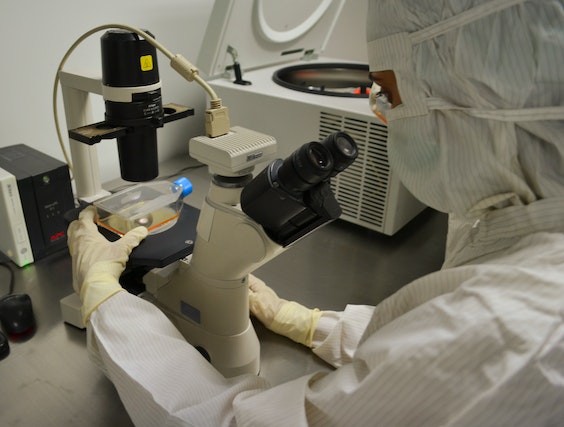
Comprehending Your Pathology Findings
Without context, receiving a pathology report might be perplexing. Reference ranges that show normal levels are frequently included with results, but these should always be evaluated in the context of your symptoms, medical history, and general state of health. The best person to explain the significance of your results for you personally is your general practitioner or specialist.
There may not necessarily be a significant issue if something in your data deviates from the typical range. Test results might be momentarily impacted by a variety of circumstances, such as stress, drugs, recent meals, and hydration. Before recommending the next course of action, your doctor will take into account all pertinent variables.

Getting Access to Pathology Services in Australia
With a referral from their general practitioner, the majority of Australians can obtain pathology services. Medicare often covers tests requested by a licensed medical professional, making them available to all people regardless of their financial situation. For individuals looking for extra panels that Medicare does not cover, private pathology testing is also an option.
Testing is easy and convenient because collection centers are spread throughout metropolitan and rural areas. One of the best ways to monitor your health and identify possible problems early is to recognise the importance of routine pathology testing.